This product may interest you

When should you take vitamin C to maximize its benefits?
Summary
The Benefits of Vitamin C Best Time of Day to Take L-Ascorbic Acid Different Forms of Ascorbate to Consider Natural vs. Synthetic: Which is Best? Selecting the Right Form for Your Specific Needs Vitamin C Super Duos: When Ascorbic Acid Teams Up! Practical Tips: When and in What Form Should You Take Vitamin C? FAQ
Vitamin C is an essential nutrient that plays a key role in maintaining our overall well-being. Whether it's boosting the immune system, protecting cells from oxidative stress, or improving skin's beauty, this vitamin is essential.
But did you know that there is an optimal time to start a treatment in order to maximize its benefits?
In this article, find out when to take vitamin C , how to incorporate it into your routine, and when it can be particularly beneficial. 🌱
Why take vitamin C?
Vitamin C, or ascorbic acid, is a powerful antioxidant that offers many benefits for overall well-being .
Here are its main effects:
Strengthens the immune system : Vitamin C stimulates the production of white blood cells, essential for defending the body against infections.
Protects against oxidative stress : Thanks to its antioxidant properties, it helps protect cells from free radicals and slow down cellular aging. 🧬
-
Improves skin health : By promoting the production of collagen , it helps maintain firm and elastic skin.
- Reduces fatigue : Vitamin C helps fight fatigue by supporting normal energy-yielding metabolism. ⚡

When to take vitamin C: morning, noon or evening?
Vitamin C can be taken at any time of day , and contrary to popular belief, it does not disrupt sleep; however, this will depend on your personal sensitivity . There is no specific time required, with the exception of liposomal vitamin C , which should be taken on an empty stomach to maximize its absorption.
It can be consumed in the morning before breakfast for optimal effect.
For other forms of vitamin C (powder, capsules, tablets), they can be taken at any time of the day .
Some people prefer to take them in the morning for a boost , while others choose to take them in the evening to support the immune system before bed. 🌞
The main thing is to respect the recommended daily dose and to spread the intake throughout the day for continued effectiveness.
We recommend you

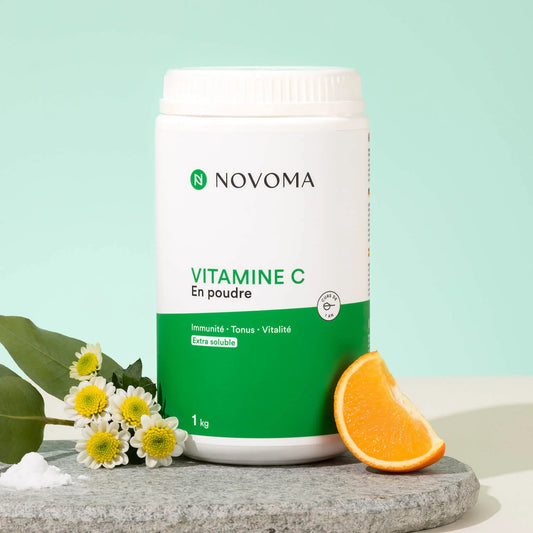
Vitamin C Powder
Pure vitamin C in extra soluble powder of plant origin (100% L-ascorbic acid).
- ✅ Available in 2 sizes (500g/1kg)
- ✅ Purity > 99.9%
- ✅ Measuring spoon included
- ✅ Packaged in France
When should you take vitamin C?
There are several situations where taking vitamin C becomes particularly useful:
• Fatigue and Low Energy : If you feel tired or have low energy, a vitamin C supplement can help reduce fatigue and improve your energy levels. ⚡
• Weakened immune system : When natural defenses are weakened, such as during times of stress, seasonal change or illness, vitamin C supports the immune system .
• Insufficient fruit and vegetable intake : If your diet lacks natural sources of vitamin C (fresh fruits and vegetables), supplements can fill this gap and support your overall health. 🍊
• Change of season : In winter, especially during seasonal transitions, vitamin C intake can strengthen your body against seasonal infections. 🍂
Should I do a continuous treatment?
The human body needs vitamin C throughout the year , but that doesn't mean you need to take it continuously. It's perfectly fine to take vitamin C supplements during times when your needs are higher, such as winter or seasonal changes.
A course of treatment for a few weeks can be beneficial in strengthening your immune system and maintaining your energy .
However, it is also important to maintain a consistent daily intake of vitamin C, whether through food or supplements, to ensure its long-term effectiveness. It is not necessary to take a continuous course, but a consistent intake is recommended to enjoy its benefits throughout the year.
How much vitamin C should I take?
The amount of vitamin C needed depends on several factors, such as age, gender, and general health. Generally, it is recommended that adults consume between 75 and 90 mg of vitamin C per day. 🍋
However, during times of fatigue, stress or illness, the dose may be increased, up to 200 mg per day or more, depending on specific needs.
It is always best to consult a healthcare professional before exceeding the recommended doses, especially if you have specific health conditions. Vitamin C is generally well tolerated, but excessive intake can cause side effects such as digestive upset .
This product may interest you
We recommend you

Organic Acerola
Organic Acerola 1000, ideal during periods of intense activity to regain tone and vitality.
- ✅ 1000 mg of acerola per tablet
- ✅ Titrated to 17% natural vitamin C
- ✅ Wild berry flavor (sugar-free)
- ✅ Certified Organic by Ecocert
How to take vitamin C?
Vitamin C comes in different forms, and how you take it depends on your preferences and needs.
• Vitamin C Powder : Powder is convenient because it can be added to drinks like water, juices, or smoothies. If the taste is too acidic, you can dilute it in a larger volume of liquid or mix it with fruit to soften the taste. 🍹
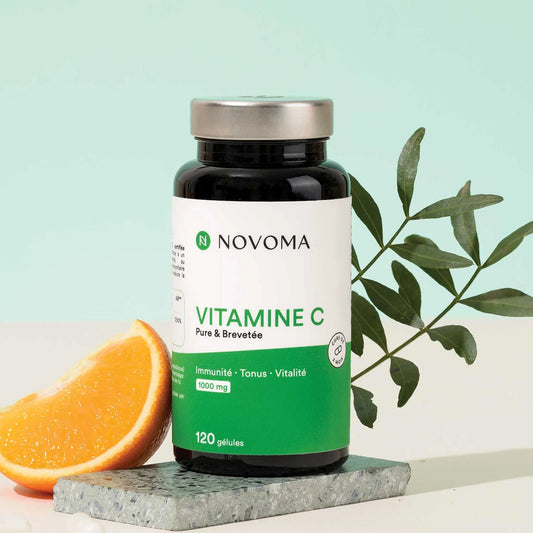
• Vitamin C Capsules : Capsules are easy to take and convenient to carry. They allow for discreet and quick intake. Simply swallow them with a glass of water, preferably during a meal for optimal absorption.
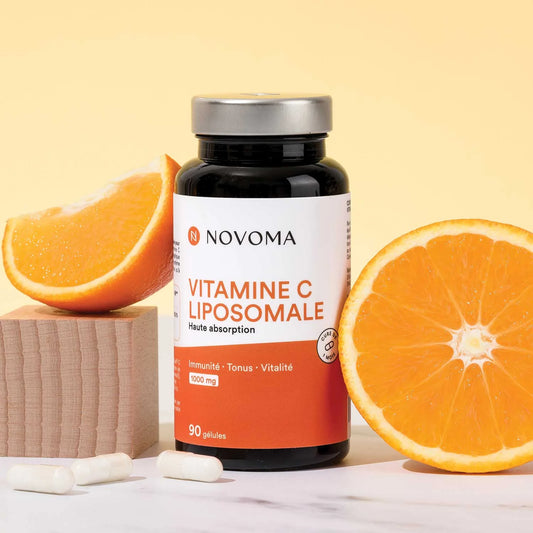
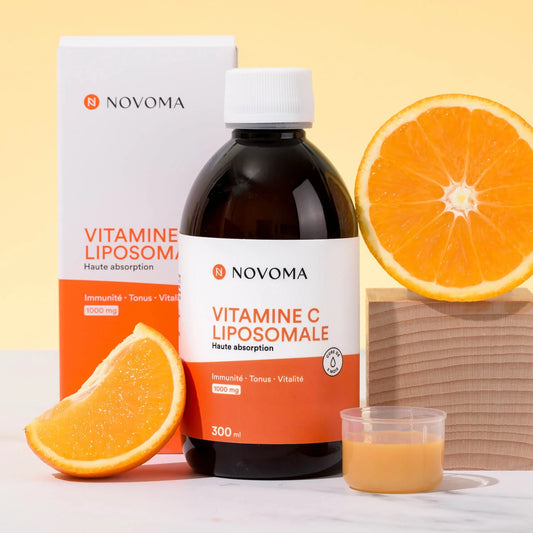
• Liposomal Vitamin C : This form of vitamin C is very well absorbed by the body. If you find the taste too strong, you can dilute the liquid in a glass of water or another liquid to make it more pleasant to drink. 💧

What are the contraindications to taking vitamin C?
Vitamin C is generally safe when taken in recommended doses. However, some people should be careful, especially those with kidney problems or kidney stones .
Excessive intake of vitamin C (more than 2000 mg per day) can cause side effects such as digestive disturbances , including abdominal pain and diarrhea.
If you have a history of kidney problems or other medical conditions, it is recommended that you consult a doctor before starting a vitamin C supplement.
Notre conseil

Vitamin C powder
Regular price
38,90€
Sale price
38,90€
Regular price
Unit price
per
Boosts immune defenses

Liposomal Vitamin C (capsules)
Regular price
27,90€
Sale price
27,90€
Regular price
Unit price
per
Effectively reduces fatigue

Liposomal Vitamin C (liquid)
Regular price
39,90€
Sale price
39,90€
Regular price
Unit price
per
Contributes to energy and immunity

Quel est votre objectif ?
Faire le test en ligne