

















Why use a food supplement for the skin?
The skin is the largest organ of the human body and directly reflects our overall health. While topical care (creams, serums) acts on the surface, food supplements nourish the skin from within, where it regenerates.
- Prevention of skin aging: With age, the natural production of collagen and hyaluronic acid decreases from age 25. Supplementation helps offset this loss and preserves firmness and elasticity. Discover our guide on anti-aging food supplements to dive deeper into this topic.
- Compensation for nutritional deficiencies: An unbalanced diet, stress, or certain lifestyles (smoking, sun exposure) deplete essential nutrient reserves. Supplements provide these elements in a concentrated and bioavailable form.
- Support against external aggressions: Pollution, UV rays, and oxidative stress attack the skin daily. The antioxidants present in supplements (vitamin C, vitamin E, zinc, turmeric) neutralize the free radicals responsible for premature aging.
- Improvement of deep hydration: Hyaluronic acid and certain vitamins promote water retention in skin tissues, for plumped and hydrated skin from within.
- Targeted action on specific issues: Acne, redness, dryness, loss of radiance... Supplements allow for targeted action according to your specific needs.
- Complementarity with external care: Used in synergy with an adapted skincare routine, food supplements maximize results and offer a comprehensive and lasting approach to beauty.
The benefits of food supplements for the skin
Enhanced hydration
Supplements based on hyaluronic acid increase the skin's capacity to retain water, thereby reducing dehydration and feelings of discomfort. The skin appears plumper, smoother, and more comfortable.
Radiance and luminosity
Antioxidants like vitamin C, zinc, and plant extracts stimulate cell renewal and even out the complexion. The result: luminous skin and a radiant complexion.
Anti-aging action
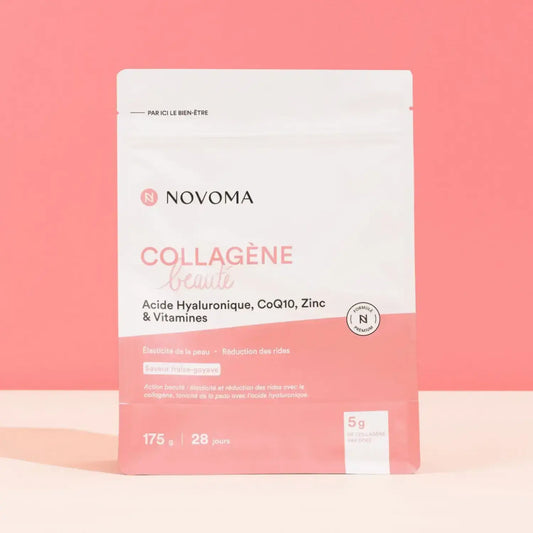
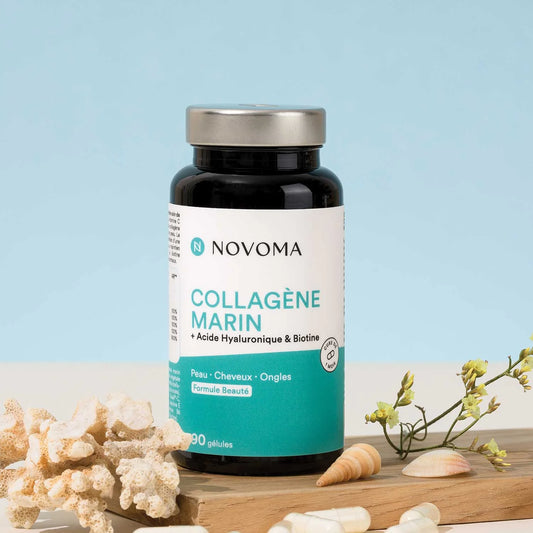
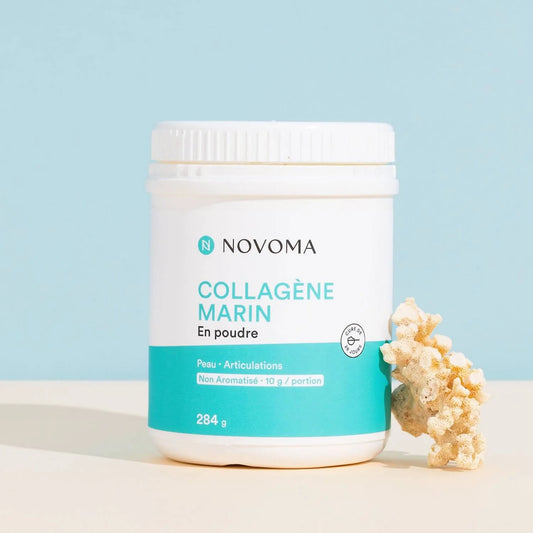
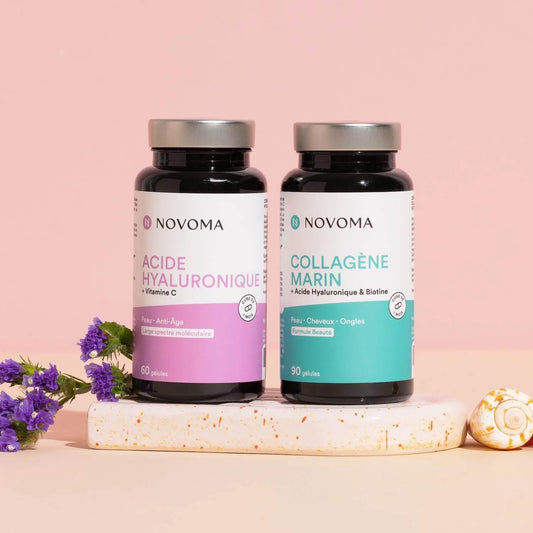
Marine Collagen improves skin firmness and elasticity, reduces fine lines and wrinkles, and redensifies skin tissue. Combined with vitamin E and selenium, it protects against the oxidative stress responsible for premature aging.
Protection against aggressions
Vitamins C and E, zinc, selenium, and turmeric reinforce the skin's natural defenses against UV rays, pollution, and free radicals. They preserve cellular integrity and limit skin damage.
Reduction of blemishes
Zinc, B vitamins, and MSM regulate sebum production, soothe inflammation, and promote healing. Ideal for acne-prone skin.
Soothing and repair
Essential fatty acids (omega-3), vitamins, and certain antioxidants reduce redness, soothe sensitive skin, and strengthen the skin barrier for better resistance to irritation.
Which nutrients does my skin need?
Marine collagen
An essential structural protein, collagen makes up 75% of the skin's composition. It maintains firmness, elasticity, and skin density. Marine collagen, highly bioavailable, compensates for the natural decline in production linked to age and redensifies tissues for firmer, plumper skin.
Hyaluronic acid
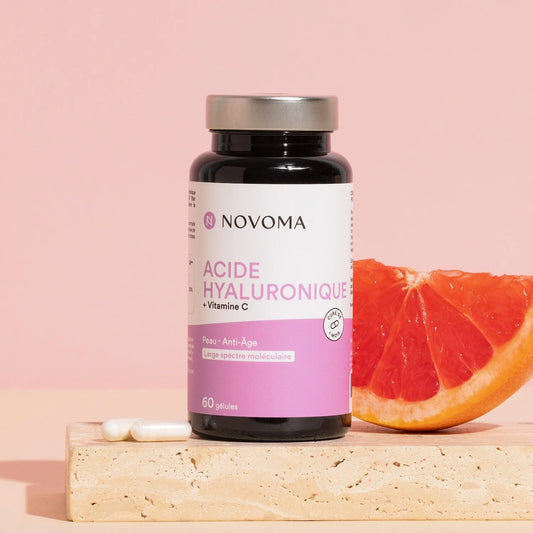
Hyaluronic acid can hydrate the skin from within, plump features, and smooth fine lines caused by dehydration. It maintains skin suppleness.
Vitamin C
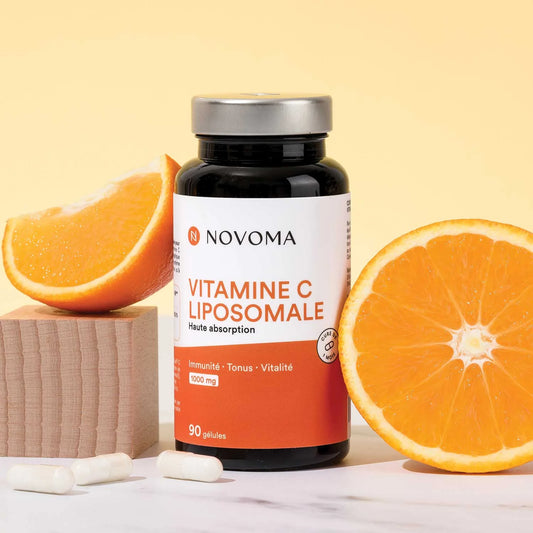
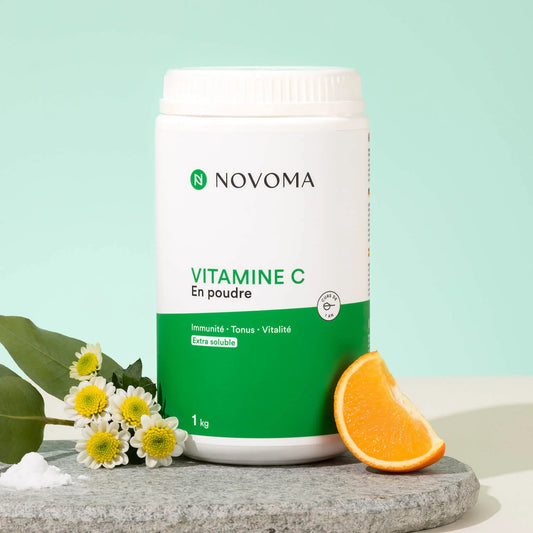
A powerful antioxidant, vitamin C stimulates collagen synthesis, protects against oxidative stress, evens out the complexion, and provides radiance and luminosity. In the form of organic acerola, it is even more effective and better absorbed by the body.
Vitamin E
This fat-soluble vitamin protects cell membranes from oxidative stress, preserves skin hydration, and improves skin suppleness. It acts in synergy with vitamin C for enhanced antioxidant protection.
Zinc
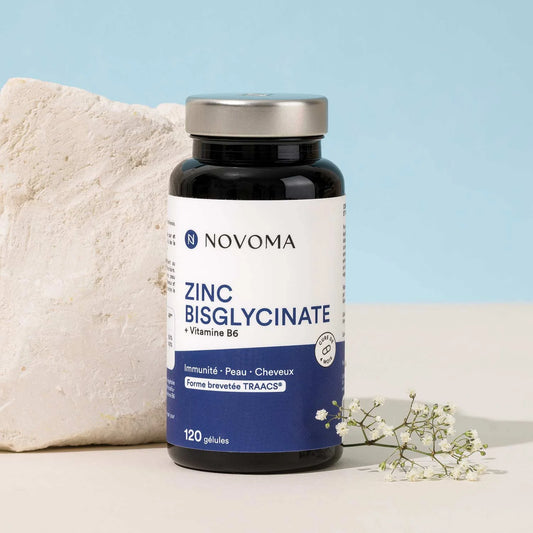
An essential mineral for skin health, zinc regulates sebum production, promotes healing, reduces inflammation, and supports cell renewal. Essential for blemish-prone skin and for maintaining healthy skin.
Biotin (Vitamin B8)
Biotin contributes to the maintenance of normal, healthy skin. It takes part in the metabolism of essential fatty acids and plays a role in the overall health of the skin, hair, and nails.
Turmeric
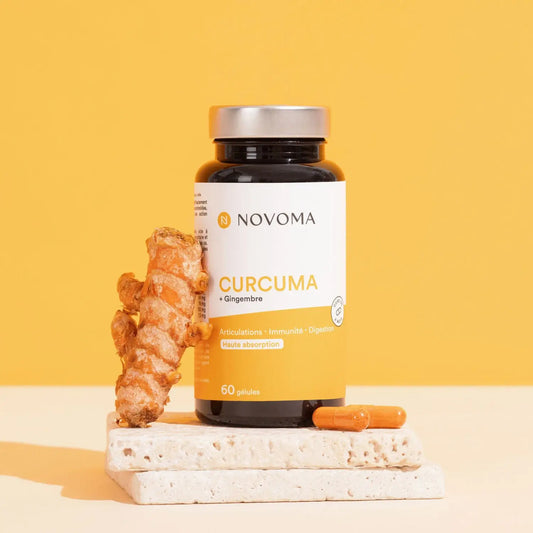
A powerful natural anti-inflammatory and antioxidant, turmeric protects the skin against oxidative stress and external aggressions. Its curcumin helps soothe skin inflammation, evens out the complexion, and promotes skin radiance. It is particularly beneficial for skin prone to redness and irritation.
Spirulina
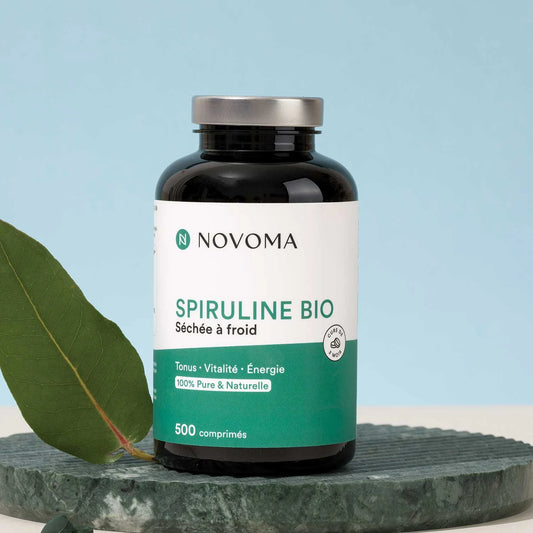
This exceptional micro-algae is rich in proteins, B vitamins, iron, beta-carotene, and antioxidants. Spirulina helps the body protect itself against the consequences of oxidative stress and can provide a more radiant complexion.
Glycine
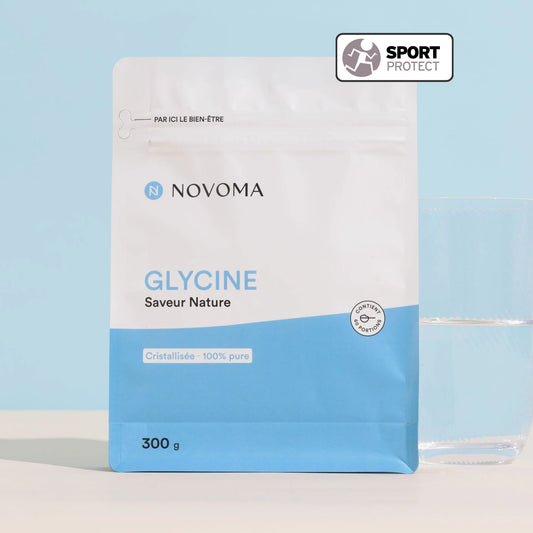
An amino acid that participates in collagen synthesis, glycine may improve skin quality. It offers antioxidant and anti-inflammatory benefits, which help maintain the beauty of the skin.
How to choose the right food supplement for your skin?
Identify your specific needs
Before choosing a supplement, determine your priorities: hydration, anti-aging, radiance, blemish reduction, soothing... Each formula targets different issues. For dry skin, consult our guide on supplements for dry skin. For oily skin, discover our recommendations on supplements for oily skin.
Prioritize ingredient quality
Opt for supplements containing marine collagen (rather than bovine) for better absorption, hyaluronic acid of appropriate molecular weight, vitamins in active and bioavailable forms, natural and organic active ingredients when possible, and optimal scientifically validated dosages.
Check the composition
Avoid formulas containing unnecessary additives, colorants, or chemical preservatives. Favor clean supplements with a short and transparent ingredient list.
Look for certifications
ORGANIC labels, French manufacturing, quality certifications (EPAX, Naticol)... These guarantees attest to the seriousness and standards of the manufacturer.
Adapt your choice to your skin type
Dry, oily, mature, sensitive skin... Each skin type has specific needs. Refer to the next section for targeted recommendations.
Consider synergies
Certain active ingredients work better together: vitamin C and collagen, hyaluronic acid and antioxidants, zinc and vitamin B... Favor complete and synergistic formulas.
Respect the duration of the course
Results on the skin take time. Count on a minimum of 3 months of regular intake to observe visible and lasting effects.
Food supplements adapted to each skin type
Dry and sensitive skin
Characteristics: Tightness, discomfort, flaking, sensitivity to external aggressions, weakened skin barrier.
Recommended nutrients: Hyaluronic acid for deep hydration, vitamin E to protect and soothe, collagen to improve elasticity and suppleness, zinc to promote repair.
Your Questions About Skin Supplements
How does a skin supplement work?
What are the essential ingredients for maintaining healthy skin?
Is collagen effective for the skin?
Does hyaluronic acid as a supplement hydrate the skin?
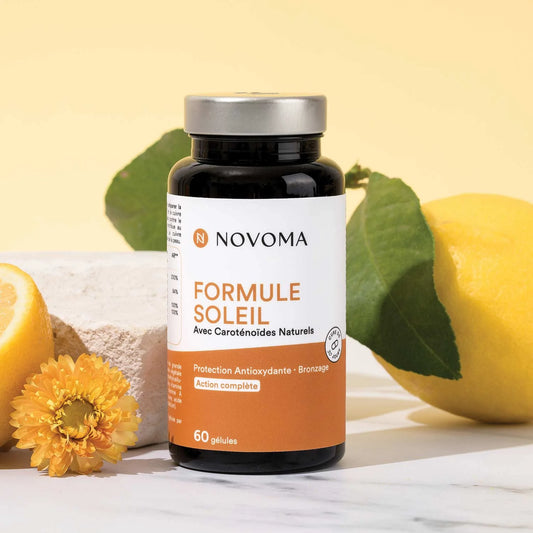
Are there any dietary supplements that help protect skin from the sun?
What is the best food supplement for the skin?
Which vitamin gives you beautiful skin?
Which capsule for beautiful skin?
What are the 5 tips for beautiful skin?
How long does it take to see effects on the skin?
Les articles les plus lus


Si vous ne trouvez pas les informations que vous cherchez, n’hésitez pas à consulter notre FAQ ou à nous écrire sur le chat 24/24. Vous pouvez aussi nous contacter :


