Skin elasticity: how to prevent and slow down its loss?

Summary
Time inevitably takes its toll, and mature skin is one of the first to show its signs. Fortunately, it's possible to slow down this process and maintain skin elasticity . Want to find out what gives it that coveted suppleness and how to maintain it? Look no further, the answer is right in front of you!
Skin elasticity explained simply
Dermis, epidermis… let’s take stock!
It's hard to untangle all these layers of skin ! To clarify things and better understand what we're going to talk about, let's take a quick look at the two main skin levels. 🤓
The epidermis : This is the outer, visible layer of your skin. It acts as a barrier against external aggressions.
-
The dermis : This represents the invisible part of the skin's iceberg. It is a deep, internal area that ensures strength and elasticity, while providing nutritional support to the epidermis.
These two layers work together in perfect harmony, but the elasticity of the skin is mainly based on an essential duo: collagen and elastin.
How skin elasticity works: a winning duo
Think of collagen and elastin as your skin's heroes, working hand in hand to keep it supple. Collagen provides firmness, while elastin, which makes up 90% of the dermis's elastic fibers , maintains flexibility and bounces back after stretching.
Young skin quickly regains its shape thanks to a good supply of these two proteins. Over time, this production decreases and leads to a snowball effect: the first signs of loss of elasticity appear.

Recognizing the signs of loss of skin elasticity: wrinkles and sagging skin
The appearance of wrinkles , fine lines and skin folds is often one of the first signs of loss of elasticity (thanks to the decline in collagen and elastin!). The skin then becomes thinner and more fragile. At the same time, a decrease in hyaluronic acid , this miracle hydration molecule, contributes to making the skin more rigid and less able to maintain its elasticity.

Why does skin lose its elasticity?
Genetics
We sometimes dream of that friend who seems to defy natural aging , with skin that's always perfect. She often owes this gift to her genes. These genes influence the rate at which the skin loses its vitality , but also the speed of secretion and cell regeneration. While some people benefit from naturally elastic and resilient skin, others may see the first signs of aging appear earlier! 🧓
Hormonal changes
Ah, hormones… These little messengers are responsible for many skin changes throughout life: from teenage acne and pregnancy spots to the thinner, drier skin of menopause.
When estrogen levels drop, especially during menopause, hormonal activity slows, reducing collagen production. As a result, skin loses structure and moisture and may show signs of sagging .
Sun and pollution
Are you the type to take advantage of every ray of sunshine to get a tan? Bad habit! UV rays accelerate skin aging, causing wrinkles and loss of elasticity: this is photoaging . Pollution, on the other hand, adds its share of oxidative stress and free radicals and further weakens the skin.
The way of life
Did you know that your lifestyle can actually affect your skin's elasticity ? Think of it like a sponge that needs regular care to stay in shape. Neglecting sleep and nutrition can lead to signs of fatigue and sagging sooner than expected.
Smoking, in particular, deprives your skin of oxygen and essential nutrients , making it drier and more wrinkled. Coupled with poor circulation caused by a sedentary lifestyle, it's a deadly combo!
Slowing down the loss of elasticity: new tips for firm, radiant skin
Topical treatments that are good for your skin
Hyaluronic acid is a powerful molecule capable of retaining up to 10,000 times its weight in water, helping to maintain hydration and reduce wrinkles. To compensate for its natural decline with age, opt for serums or creams enriched with hyaluronic acid.
Complete your routine with skincare products containing retinol, peptides and vitamin C to stimulate collagen production and improve skin texture.
Sun protection, your daily shield
Protecting your skin from UV rays is crucial to prevent premature aging . Use a broad-spectrum sunscreen with a high SPF daily to protect your skin from sun damage. Apply it every day, even when it's gray!
Facial modeling, simple gestures that make the difference
Massage your face regularly with tools like Gua Sha to stimulate blood circulation and promote the regeneration of collagen and elastin fibers. These massages improve the tone and radiance of your skin by boosting the supply of nutrients and oxygen. A moment of relaxation guaranteed! 😉

Professional treatments, a helping hand from experts
Explore treatments like radiofrequency or laser to tighten your skin and reduce signs of aging . These targeted techniques, performed by trained professionals, can deliver visible results by helping restore elasticity and reduce wrinkles.
Diet and food supplements, the tandem for radiant skin
Choose a diet rich in fruits, vegetables, oily fish like salmon and mackerel, and nuts. These foods provide essential vitamins and antioxidants, boosting collagen production and protecting against free radicals.
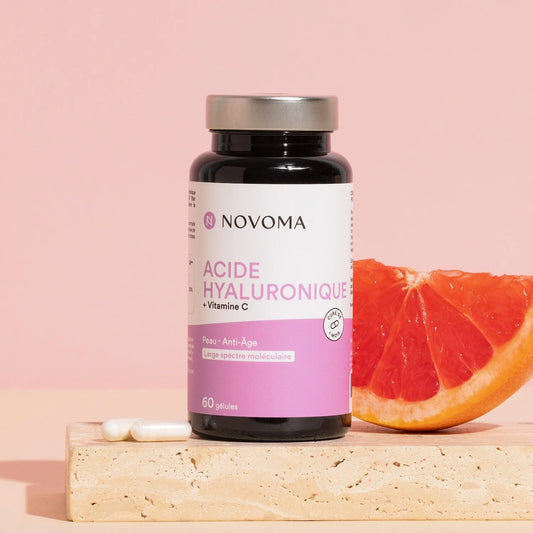
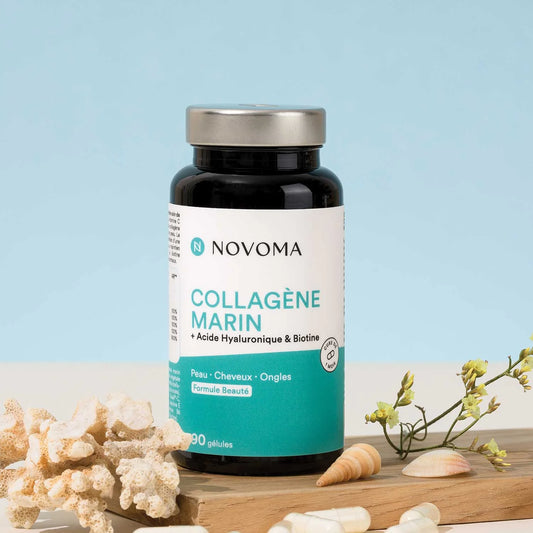
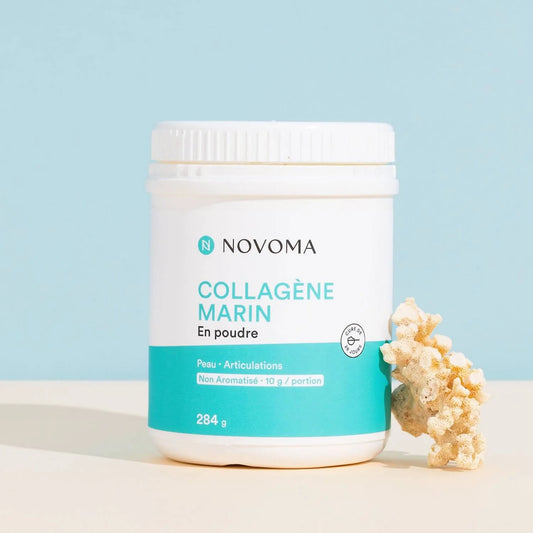
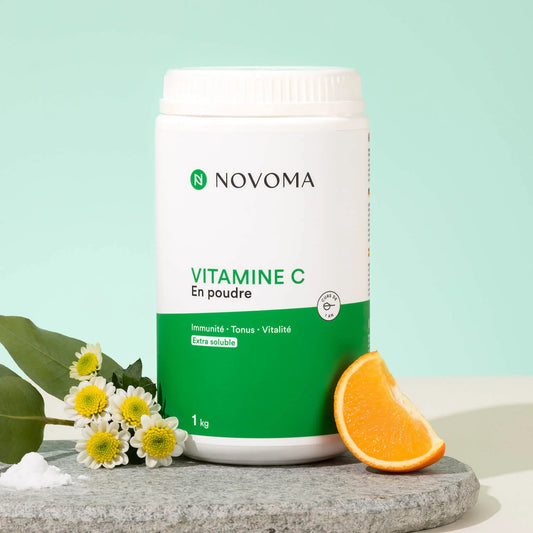
To complete your beauty routine, add vitamin C , hyaluronic acid, and marine collagen supplements to maintain skin hydration and firmness. Remember, a balanced diet is essential, and it is advisable to consult a professional before using any supplements.
🍋 Vitamin C is the beauty secret to glowing skin (plus, it's good for your mood)! This super vitamin helps protect your cells from oxidative stress and maintain normal collagen formation in your skin. |

The Secret to Elastic Skin: 4 Daily Habits to Adopt Today
Internal… and external hydration!
Drink enough water (between 1.5 and 2 liters) and moisturize your skin regularly. Well-nourished skin is more elastic!
Good stress management
Managing stress through relaxing activities like yoga or meditation can help maintain skin well-being by reducing levels of cortisol, a hormone that, in excess, can accelerate skin aging.
Restful sleep
Sleep is vital for skin repair and regeneration. It's recommended to get between 7 and 9 hours of sleep per night to prevent the premature appearance of signs of aging. Chronic sleeplessness can impair skin barrier function. So, get to bed!
A physical activity that you enjoy
Exercise improves blood circulation and helps eliminate toxins. Find an activity you enjoy and get moving!
In short, skin elasticity isn't just a matter of luck or genetics. With the right care and habits, you can maintain and even improve its elasticity. Remember, taking care of your skin is taking care of yourself. So, pamper yourself! 🌞