
























Why take a vitamin or mineral supplement?
You might remember those orange-flavored Vitamin C lozenges you were forced to take in winter… But then…
Certain situations can increase the need for vitamins and minerals: periods of fatigue, restrictive diets, pregnancy, aging, unbalanced diet, or intense physical activity.
Vitamin D3, for example, is primarily synthesized through sun exposure, which explains why intake is often harder to meet in winter (1)(2).
In this context, a vitamin supplement or targeted mineral supplementation can help temporarily supplement intake. These supplements contribute to the proper functioning of the body, without replacing a balanced diet.
Which vitamins and minerals to choose according to your needs?
Each need has its key vitamins and minerals:
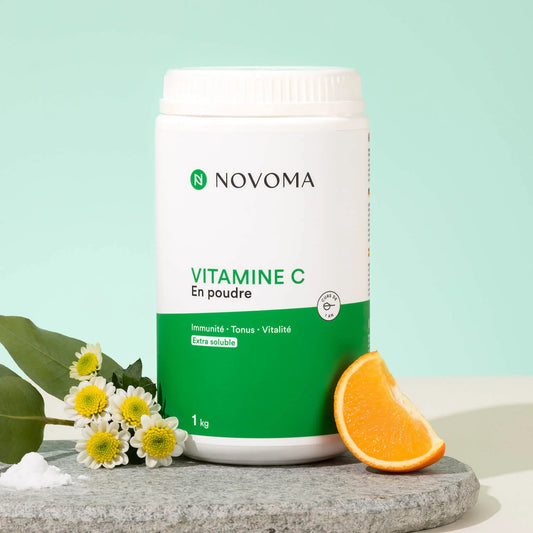
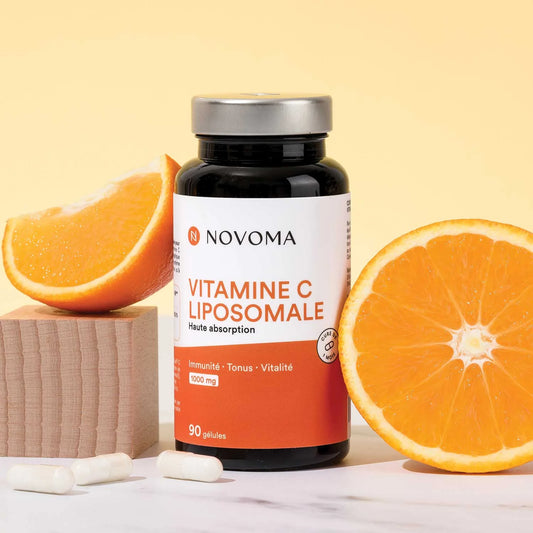
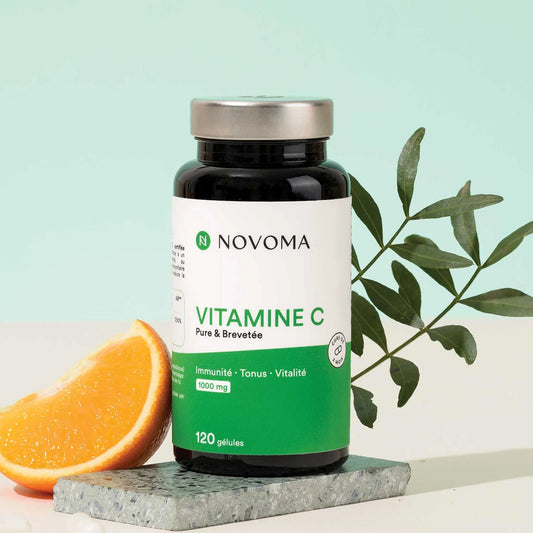
✓ Fatigue and lack of energy: Vitamin C helps reduce fatigue. Iron and Vitamin B12 also contribute to normal energy metabolism (3). For these needs, you can choose our Ferrochel® Iron Bisglycinate, our Vitamin B12, or our Vitamin C.
✓ Immunity: Vitamin C, Vitamin D3, and zinc contribute to the normal function of the immune system (3). It may be beneficial to combine several supplements when natural defenses are particularly stressed, especially in autumn and winter.
✓ Bones and muscles: Vitamin D3 contributes to the maintenance of normal bones, while magnesium contributes to normal muscle function (3).
✓ Pregnancy and maternity plans: Folic Acid contributes to maternal tissue growth during pregnancy. Adequate maternal folate supplementation also helps reduce the risk of neural tube defects in the fetus. Iron also contributes to the normal formation of red blood cells (3).
✓ Skin, hair, and nails: Zinc contributes to the maintenance of normal skin, hair, and nails. Vitamin C contributes to normal collagen formation (3).
✓ Sport: Magnesium helps reduce fatigue and contributes to normal muscle function (3). Combined with iron and a complete vitamin supplement, it meets the needs of physically active individuals.
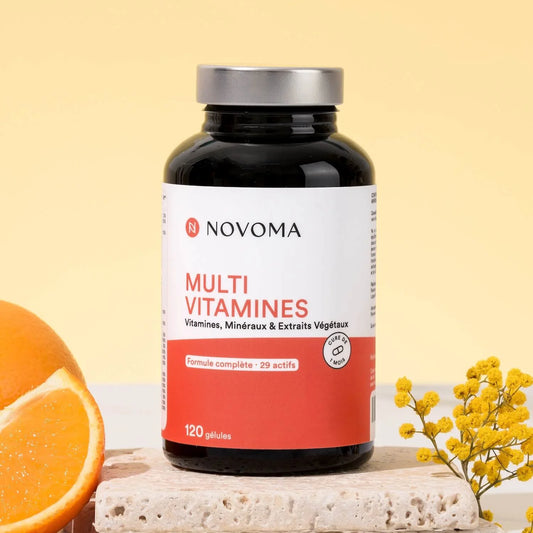
To cover several needs in one go, our Multivitamins combine a wide range of essential vitamins and minerals.
How to choose a quality vitamin supplement?
The quality of a vitamin supplement largely depends on the form of nutrients used. This often influences their digestive tolerance and good assimilation by the body.
For minerals, chelated forms like iron bisglycinate (4) are, for example, better tolerated than more classic forms like oxide or sulfate.
For vitamins, bioactive forms are preferred because they are directly usable by the body. This is particularly the case for methylcobalamin for Vitamin B12 (5).
Other criteria also matter when choosing: the quality of raw materials, recognized labels like Quali®-C or Ferrochel®, French manufacturing, and laboratory analyses.
At Novoma, every formula meets this quality requirement. Find out more about our detailed formulation choices.
Usage tips and duration of cure
Water-soluble vitamins, such as vitamin C and B vitamins, are not stored long-term by the body (2). Excess is naturally eliminated, so daily intake is risk-free at recommended dosages.
Conversely, fat-soluble vitamins, such as vitamins A, D, E, and K, are stored by the body and require more vigilance (2). A course of 2 to 3 months, renewable as needed, is generally sufficient while limiting the risk of overdose.
For minerals, the duration of supplementation can vary from a few weeks to a few months depending on needs and the chosen product.
Precautions and contraindications
Even a well-chosen vitamin supplement requires some precautions:
- Fat-soluble vitamins (A, D, E, K) are stored in the body, and prolonged overdose can become problematic (2).
- Vitamin B6, at high doses and over time, can also lead to undesirable neurological effects.
- Iron should not be supplemented lightly and should be reserved for situations where intake is insufficient.
- Drug interactions are possible, particularly between iron and certain antibiotics, or between vitamin K and anticoagulants.
If you are currently undergoing treatment, it is best to seek professional advice before starting supplementation. In all cases, it is essential to always respect the recommended dosages (1).
Scientific references
- ANSES. Nutritional reference values for vitamins and minerals for the French population (2021). https://www.anses.fr/fr/content/les-references-nutritionnelles-en-vitamines-et-mineraux
- ANSES. What are vitamins? https://www.anses.fr/fr/content/que-sont-les-vitamines
- EFSA. Authorized health claims relating to vitamins and minerals. https://www.efsa.europa.eu/fr/topics/topic/health-claims
- EFSA. Opinion on ferrous bisglycinate as a source of iron added for nutritional purposes to food supplements. https://efsa.onlinelibrary.wiley.com/doi/10.2903/j.efsa.2006.299
- NIH Office of Dietary Supplements. Vitamin B12 – Health Professional Fact Sheet. https://ods.od.nih.gov/factsheets/VitaminB12-HealthProfessional/
Frequently asked questions about vitamins and minerals
What are the best vitamins to take?
Is it good to take multivitamins every day?
Which vitamins and minerals should not be taken daily?
Should you take a course of vitamins in winter?
What are the most important minerals for health?
Where to find essential vitamins and minerals in food?
Les articles les plus lus


Si vous ne trouvez pas les informations que vous cherchez, n’hésitez pas à consulter notre FAQ ou à nous écrire sur le chat 24/24. Vous pouvez aussi nous contacter :


