













Why take food supplements during pregnancy?
During pregnancy, micronutrient needs increase to support fetal development and the mother's well-being. A balanced diet remains essential, but it doesn't always cover the recommended intake. Pregnancy food supplements help complement these intakes, but always under medical supervision. They are chosen according to the trimester, as needs change at each stage of pregnancy.
The 1st trimester
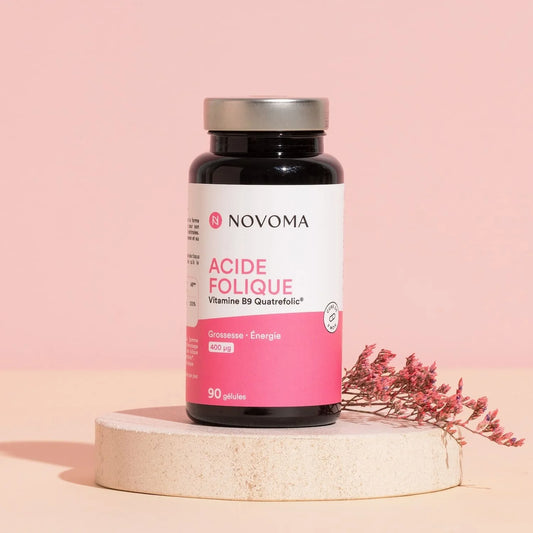
From the first weeks, folates (vitamin B9) play a central role: they contribute to the growth of maternal tissues during pregnancy. This is the whole point of Folic Acid intake, often recommended from the beginning of pregnancy, or even before. Choline is also among the nutrients associated with the first trimester.
The 2nd trimester
In the second trimester, needs expand:
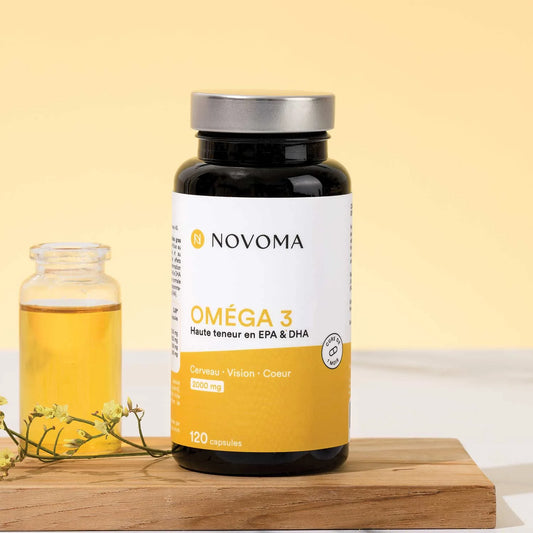
- DHA, an omega-3 found in our Omega 3 Epax®, contributes to the normal development of the fetal brain and eyes, from 200 mg per day.
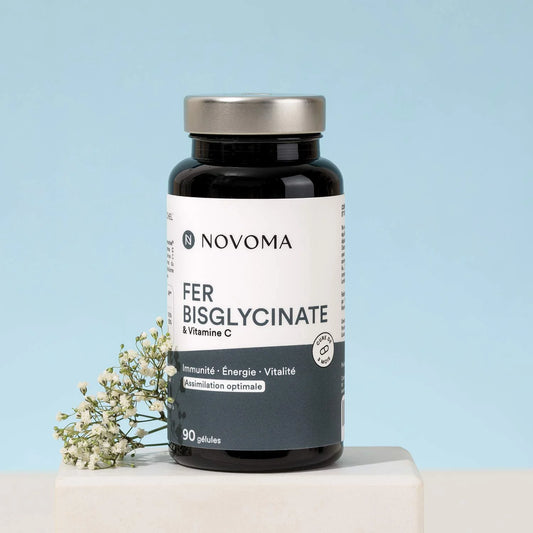
- Iron needs also increase: our Iron Bisglycinate Ferrochel® contributes to the normal formation of red blood cells and to reducing fatigue.
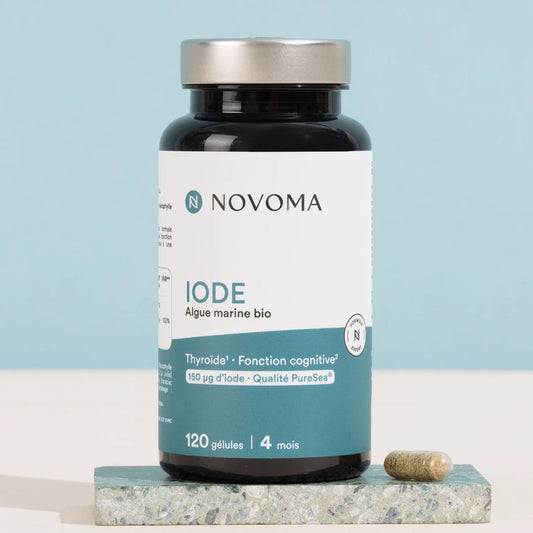
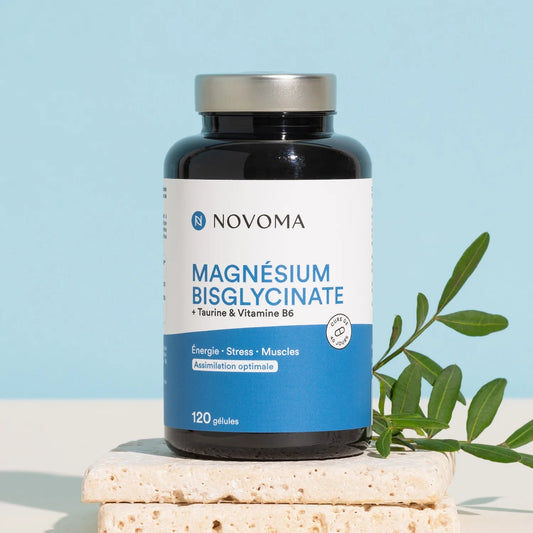
- Iodine and selenium complement these intakes, as does our Magnesium Bisglycinate, which contributes to the normal functioning of the nervous system and normal muscle function.
The 3rd trimester
In the third trimester, fatigue sets in. Iron Bisglycinate and Magnesium Bisglycinate both help reduce fatigue and support overall energy. To help with more intense slumps, you can also explore our selection of fatigue food supplements. Finally, Vitamin D3 contributes to the maintenance of normal bones.
Probiotics can also be considered to promote gut flora balance throughout pregnancy.
What are the nutritional recommendations for pregnant women?
A varied and balanced diet remains the foundation of a peaceful pregnancy. Some micronutrients deserve special attention, as needs increase during this period:
- Folates
- Iron
- DHA
- Vitamin D
- Iodine
Food supplements can help when recommended intakes are harder to meet, but they never replace a varied diet.
From a dietary perspective, a few simple precautions apply during pregnancy:
- Avoid raw or undercooked meats and fish;
- Avoid unpasteurized dairy products and certain soft cheeses;
- Limit fish with high mercury content, such as bluefin tuna or swordfish;
- Avoid alcohol and limit caffeine;
- Wash fruits and vegetables thoroughly before consumption.
For any questions about your needs, the advice of a healthcare professional remains the best reference.
Can a pregnant woman take food supplements?
Yes, a pregnant woman can take food supplements, provided it is done under medical supervision. Pregnancy changes certain needs, and not all supplements are suitable for this period. Certain dosages or active ingredients, such as high-dose vitamin A or certain plants, are not suitable.
The right approach is to re-evaluate your usual supplements at the beginning of pregnancy, carefully read labels, and discuss it with your doctor or midwife. Formulas specifically designed for pregnancy have the advantage of being developed with these needs and precautions in mind.
Criteria for choosing your pregnancy food supplement
A few simple criteria will help you make the right choice:
- A formula designed for pregnant women;
- Dosages adapted to pregnancy;
- Active ingredients in bioavailable form, such as iron bisglycinate;
- French manufacturing with ingredient traceability.
In all cases, seek the advice of a healthcare professional before any supplementation.
Scientific references
1. Commission Regulation (EU) No 432/2012, 16 May 2012. Official Journal of the European Union, L136. EUR-Lex 32012R0432
2. EFSA Panel on Dietetic Products, Nutrition and Allergies (NDA), 2013. EFSA Journal, 11(7):3328.
3. EFSA NDA Panel, maternal DHA claims (EU Regulation 440/2011). EU Register of claims reference: EU Register on nutrition and health claims.
This information is provided for informational purposes only and does not replace medical advice. Food supplements are not a substitute for a varied and balanced diet or a healthy lifestyle. During pregnancy, any supplementation should be considered under medical supervision.
Frequently Asked Questions on Supplements for Pregnancy
Why take food supplements during pregnancy?
What dietary supplements are recommended to support fetal development?
How does folic acid help during pregnancy?
Can I continue taking my usual dietary supplements during pregnancy?
What foods should you avoid during pregnancy?
How to prevent iron deficiency during pregnancy?
Les articles les plus lus


Si vous ne trouvez pas les informations que vous cherchez, n’hésitez pas à consulter notre FAQ ou à nous écrire sur le chat 24/24. Vous pouvez aussi nous contacter :


