










Why take a dietary supplement for stress and mental fatigue?
Stress is a part of life. However, when it becomes chronic or is accompanied by anxiety, it takes a toll on nervous balance, concentration, and energy. A stress dietary supplement is not a substitute for a healthy lifestyle, but it can support you through demanding periods by helping to meet micronutrient needs, which are often higher at these times. Depending on your situation, this may involve supporting the nervous system, reducing fatigue, or relying on an adaptogenic plant.
Active ingredients that act on neurotransmitters
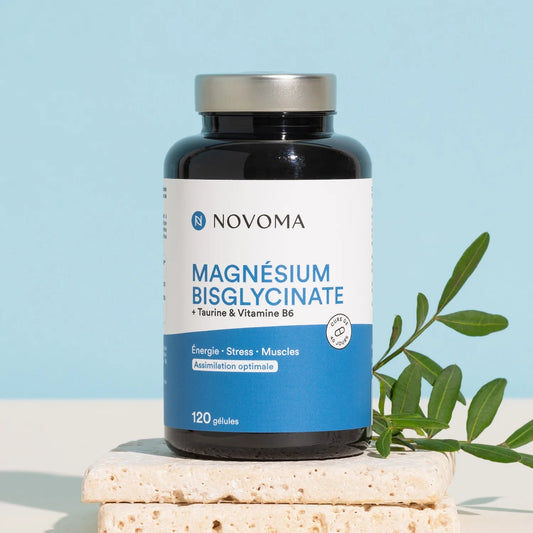
Our mood and how we handle stress depend partly on the nervous system's chemical messengers: neurotransmitters. B-complex vitamins, particularly vitamin B6, take part in the synthesis of several of them (serotonin, dopamine, GABA), while magnesium acts as a cofactor in nerve transmission. This is why these micronutrients contribute to the normal functioning of the nervous system and to normal psychological functions (1). Furthermore, scientific studies have observed a reduction in perceived stress among adults taking magnesium, either alone or combined with vitamin B6 (2)(3).
Traditionally used adaptogenic plants
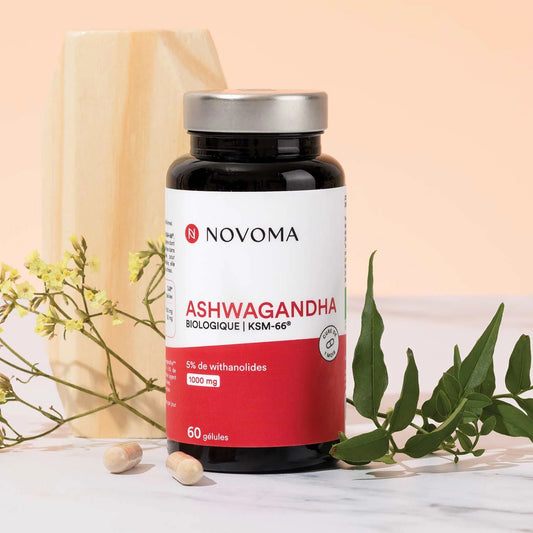
Ashwagandha (Withania somnifera), featured in our Organic Ashwagandha KSM-66®, is a plant from the Ayurvedic tradition that has been used for centuries as an adaptogen. It is renowned for its relaxing and revitalizing effects. Recent studies also highlight a decrease in cortisol levels—the stress hormone—during an ashwagandha course, even though it does not seem to have a significant effect on how stress is subjectively felt (4).
Nutritional support for a demanding lifestyle
When your daily routine is hectic, your needs for magnesium and B vitamins increase. Yet, both of these micronutrients contribute to reducing fatigue and supporting the normal functioning of the nervous system (1). It is therefore all the more useful to reinforce these intakes during such times. This provides core support that complements a varied diet without replacing it.
How to use dietary supplements for stress and mental fatigue
Each product has its own intake schedule:
- Organic Ashwagandha KSM-66®: 2 capsules per day, at any time of the day, as a 1 to 2-month course followed by a 10-day break.
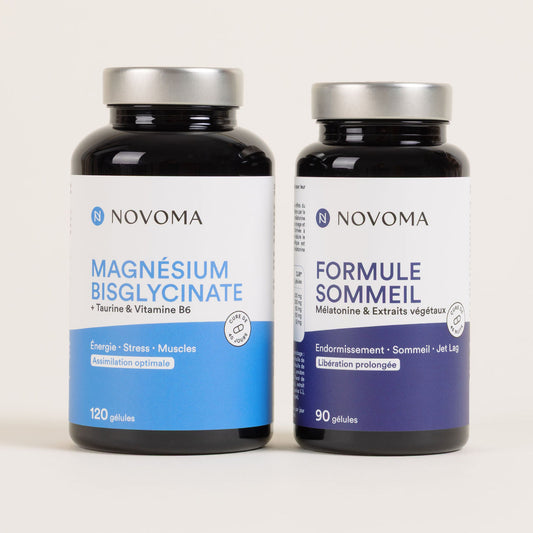
- Magnesium Bisglycinate: 3 capsules per day, which can be taken continuously over long periods.
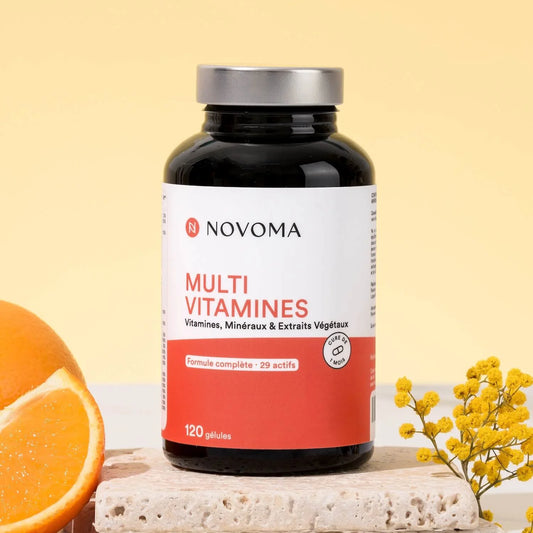
- Multivitamins: 4 capsules per day, at the time of your choice, in 1 to 3-month courses.
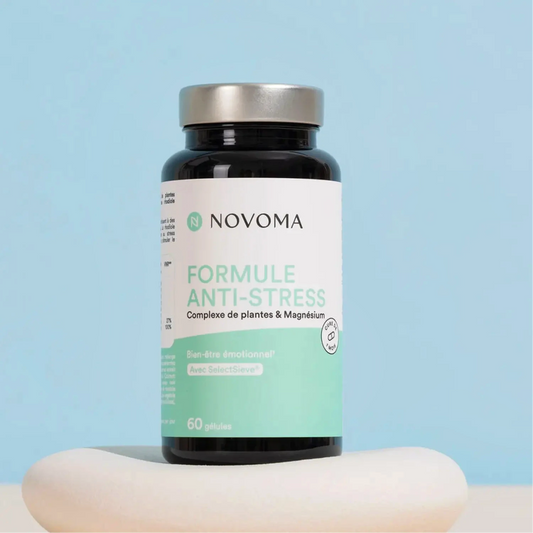
- Anti-Stress Formula: 2 capsules per day, preferably in the morning, as rhodiola can have an energizing effect. A 1-month course is recommended, but you can continue up to 3 months, then take a break of at least 1 week.
Scientific references
- Commission Regulation (EU) No 432/2012 of 16 May 2012. Establishing a list of permitted health claims made on foods. EUR-Lex CELEX:32012R0432
- Pouteau E., Kabir-Ahmadi M., Noah L. et al. (2018). Superiority of magnesium and vitamin B6 over magnesium alone on severe stress in healthy adults with low magnesemia. PLoS One, 13(12):e0208454. PubMed PMID 30562392
- Boyle N.B., Lawton C., Dye L. (2017). The Effects of Magnesium Supplementation on Subjective Anxiety and Stress: A Systematic Review. Nutrients, 9(5):429. PubMed PMID 28445426
- Albalawi A.A. (2025). Dual impact of Ashwagandha: Significant cortisol reduction but no effects on perceived stress – A systematic review and meta-analysis. Nutrition and Health. PubMed PMID 40746175
This information is provided for educational purposes only and does not replace medical advice. Dietary supplements are not a substitute for a varied and balanced diet or a healthy lifestyle. In case of chronic stress, established anxiety, or persistent distress, consult a healthcare professional.
Frequently Asked Questions About Stress Supplements
What is the difference between stress, anxiety, and nervousness?
What are the effects of chronic stress on the body?
What are the signs of anxiety?
What are some daily stress management techniques?
Do stress supplements contribute to emotional balance?
Which supplement for stress and anxiety?
Les articles les plus lus


Si vous ne trouvez pas les informations que vous cherchez, n’hésitez pas à consulter notre FAQ ou à nous écrire sur le chat 24/24. Vous pouvez aussi nous contacter :


