










Why take a dietary supplement for digestion and transit?
There are several good reasons to take a dietary supplement for digestion and transit:
It can supplement certain insufficient nutritional intakes, especially when meals are unbalanced, lack variety, are low in fiber, or eaten on the go. These are frequent situations with a busy lifestyle.
It can provide digestive enzymes that help break down food, a key step for proper nutrient assimilation.
It can promote the balance of the intestinal microbiota, facilitate transit, and support better digestive comfort, especially thanks to probiotics. These living microorganisms, consumed in adequate quantities, have a beneficial effect on the body (1).
But let's be clear, a digestion supplement is not a medicine. It supports a varied diet and a healthy lifestyle, without ever replacing them.
Which dietary supplements support digestion and transit?
Our selection brings together key active ingredients to support your digestion and transit. Three of them particularly stand out:
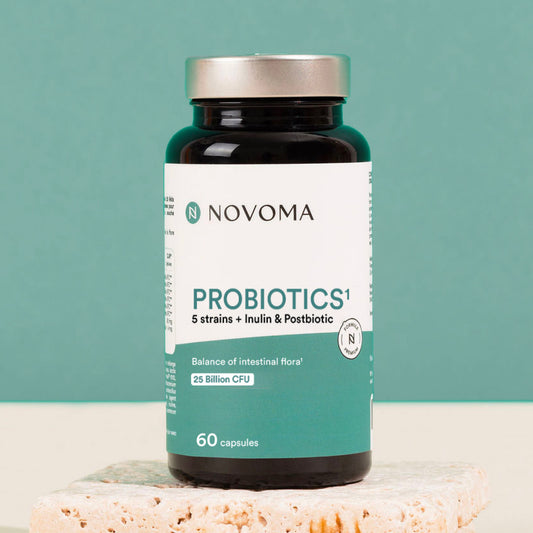
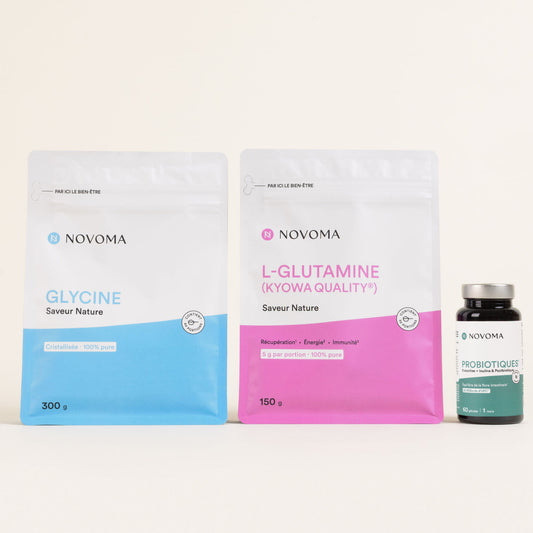
Probiotics: our Probiotics complex combines 6 strains of live microorganisms that promote the balance of the intestinal flora. Dosed at 60 billion CFUs per serving and protected by a gastro-resistant capsule, they reach the intestine alive.
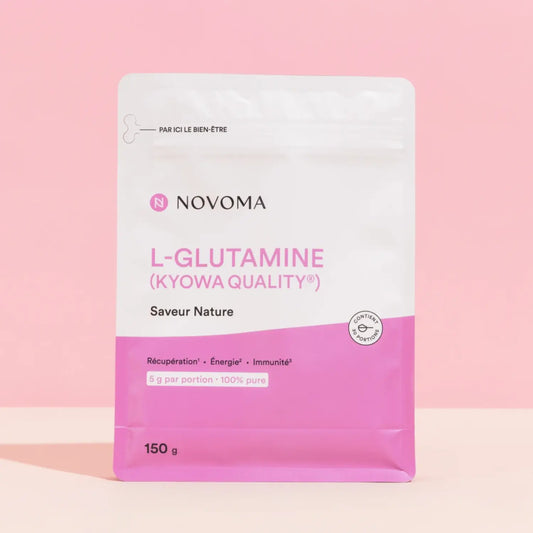
L-Glutamine: this amino acid, one of the most abundant in the body, serves as fuel for enterocytes, the cells lining the intestinal wall. It thus supports the integrity of the intestinal barrier (2).
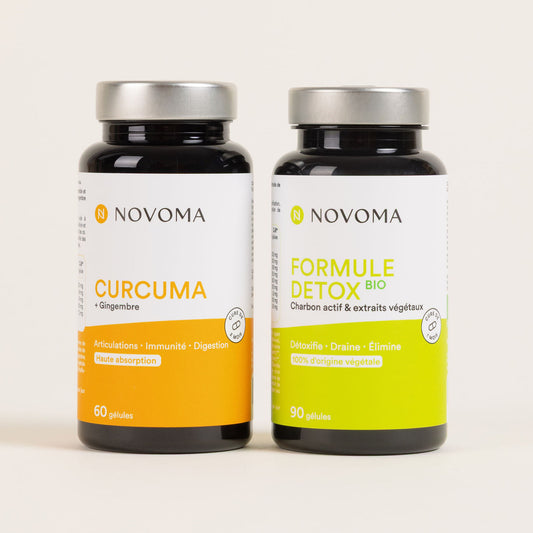
Organic Detox Formula: an organic formula that combines plant extracts and activated charcoal, traditionally used for difficult digestion and discomfort related to gas.
What are the signs of a fragile digestive system?
A well-functioning digestive system ensures regular digestion, without persistent problems or discomfort on a daily basis (3). A more fragile digestive system often manifests itself through discomfort, particularly after meals:
- A feeling of heaviness;
- Bloating or gas;
- Difficult digestion;
- Unusual fatigue;
- Irregular transit, too slow or too fast.
Taken in isolation, these signs are not alarming. These are common digestive problems, often related to lifestyle, diet, or daily stress.
Precautions and contraindications
Digestive supplements are not a substitute for a varied and balanced diet or a healthy lifestyle. They support good dietary hygiene (fiber, hydration, chewing, physical activity) without replacing it. In case of persistent digestive discomfort, pain, or lasting transit problems, the advice of a healthcare professional is recommended. Pregnant or breastfeeding women and people under medical treatment should seek advice before any supplementation. Do not exceed the recommended daily dose.
Scientific References
1. Hill C. et al. (2014). ISAPP consensus on the use of the term "probiotic". Nature Reviews Gastroenterology & Hepatology, 11(8):506-514. DOI 10.1038/nrgastro.2014.66.
2. Abbasi F. et al. (2024). Glutamine and intestinal permeability: systematic review and meta-analysis. Amino Acids, 56:60. DOI 10.1007/s00726-024-03420-7.
3. Marco M.L. et al. (2026). ISAPP consensus on the definition of gut health. Nature Reviews Gastroenterology & Hepatology, 23(5):432-448. DOI 10.1038/s41575-026-01176-x.
This information is provided for informational purposes only and does not replace medical advice. Dietary supplements are not a substitute for a varied and balanced diet or a healthy lifestyle. In case of persistent digestive discomfort, consult a healthcare professional.
Frequently Asked Questions About Digestive Supplements
Why do we have digestive discomfort?
What are the signs of poor digestion?
Why take a food supplement for digestion?
Are there any risks with food supplements for difficult digestion?
How to improve your digestion naturally?
Les articles les plus lus


Si vous ne trouvez pas les informations que vous cherchez, n’hésitez pas à consulter notre FAQ ou à nous écrire sur le chat 24/24. Vous pouvez aussi nous contacter :


