




























Why take a sports supplement?
Sport increases the body's needs: repeated efforts heavily stress muscles and joints, while sweating exacerbates mineral loss. The more frequent, intense, or demanding the training, the greater the needs for protein, energy, and micronutrients.
In this context, diet alone is not always enough to fully meet the needs of athletes. A sports supplement then supports, without ever replacing, a balanced diet.
The choice of the right sports supplement depends on the discipline practiced, the training rhythm, and the objectives.
Which supplements to choose depending on your sport?
When it comes to sport and dietary supplements, there is no one-size-fits-all selection. From one practice to another, the needs are not the same: explosive effort, endurance, impact, or recovery. Here are which sports supplements to choose according to your discipline.
Weight training and muscle gain
Weightlifting, powerlifting, CrossFit, Olympic weightlifting: these disciplines involve short, intense, and repeated efforts that heavily stress muscle fibers, increase protein needs (1.6 to 2.2 g per kg per day), and strongly mobilize phosphocreatine reserves.
The most relevant supplements for these disciplines are complete proteins, creatine monohydrate, and BCAAs:
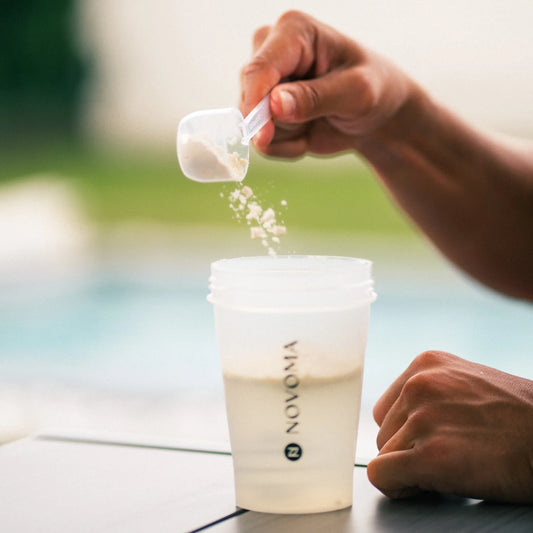
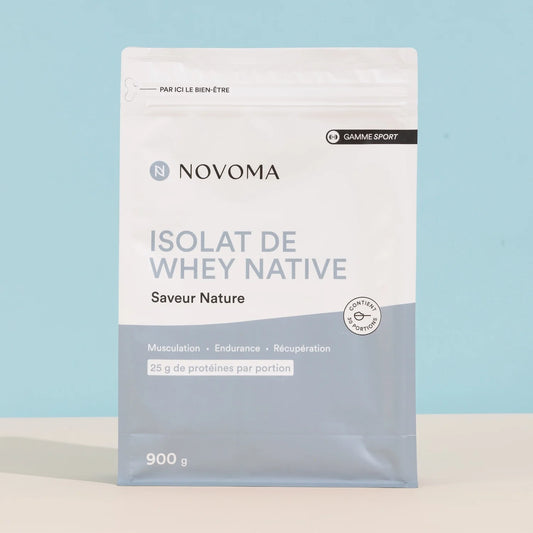
✓ Native Whey Isolate covers protein needs with a complete essential amino acid profile, high purity, and superior digestibility compared to concentrated whey.
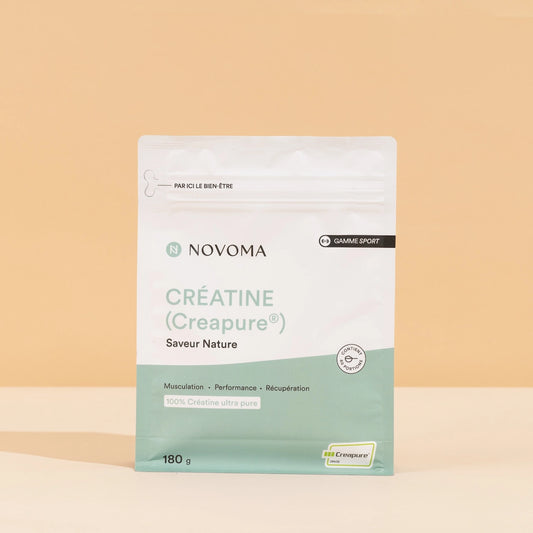
✓ Creapure® Creatine, produced in Germany according to the strictest standards, supports strength, power, and performance during explosive efforts (1). It is the most scientifically studied form of creatine monohydrate (2).
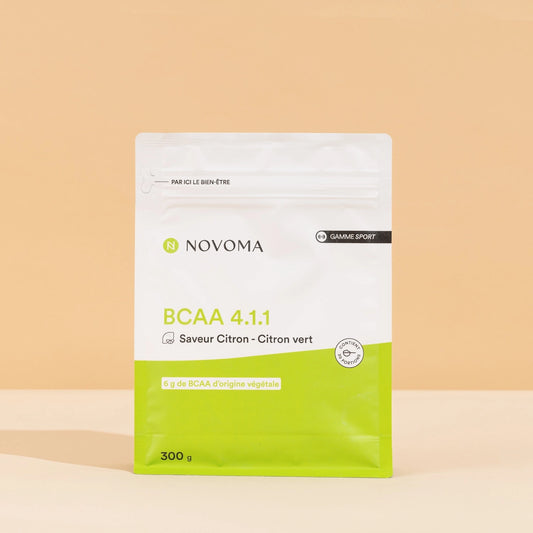
✓ BCAA 4.1.1 boosts leucine intake during exercise, the amino acid involved in stimulating muscle protein synthesis.
To go further, check out our Weight Training collection, as well as our guides to help you choose the best whey and the best creatine.
Endurance sports (running, cycling, swimming)
Running, cycling, swimming, triathlon, trail running: these disciplines rely on prolonged efforts, which deplete glycogen reserves more quickly and increase electrolyte losses (magnesium, sodium, potassium) through sweating.
The higher the training volumes, the harder the body struggles to recover between sessions, and the greater the micronutrient needs.
The most relevant supplements for these disciplines are magnesium, omega 3, spirulina, and multivitamins:
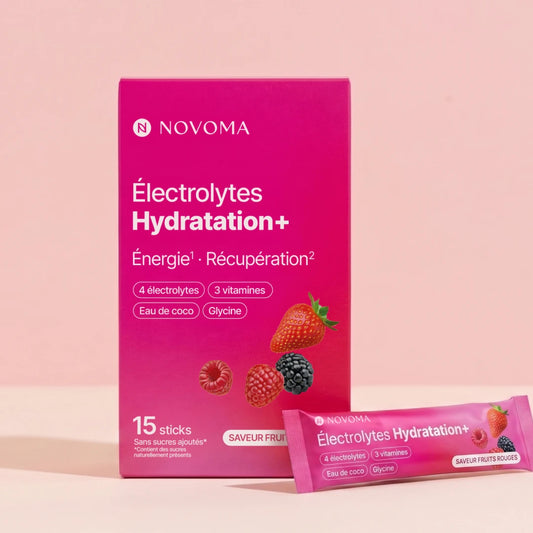
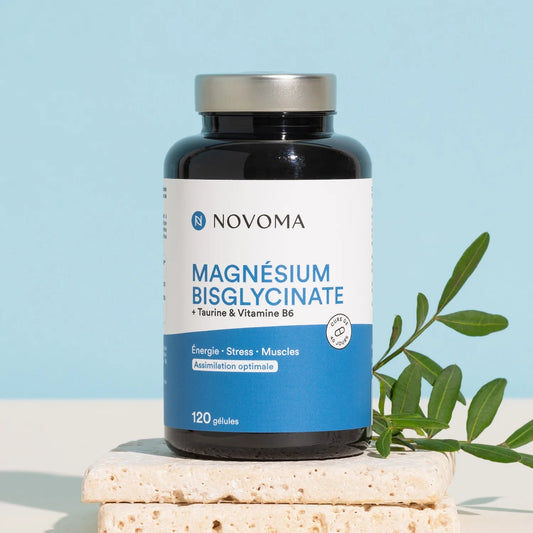
✓ Magnesium Bisglycinate, in a form better tolerated and absorbed than magnesium oxide, supports energy metabolism and muscle function.
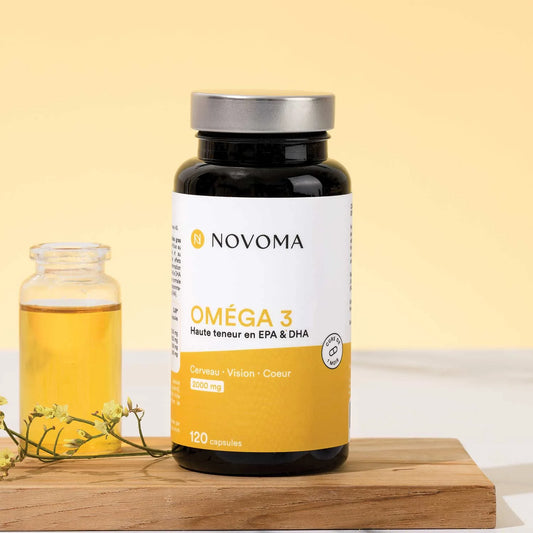
✓ Epax® Omega 3, derived from certified fish oil, provides high concentrations of EPA and DHA to support recovery and normal heart function when training volumes accumulate (3).
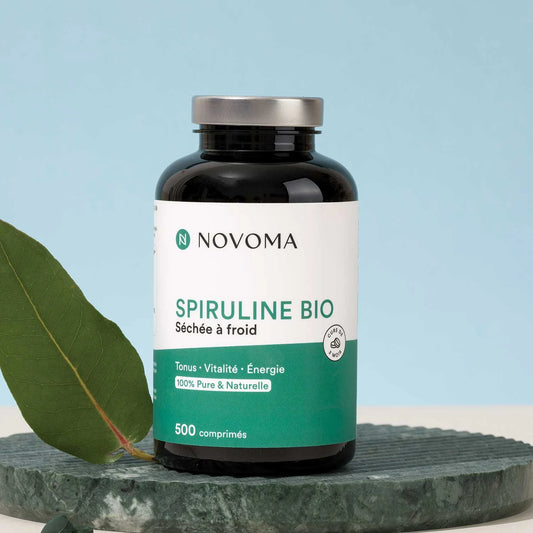
✓ Organic Spirulina provides iron and antioxidants. Iron contributes to the normal transport of oxygen in the body, a key point for endurance sports.
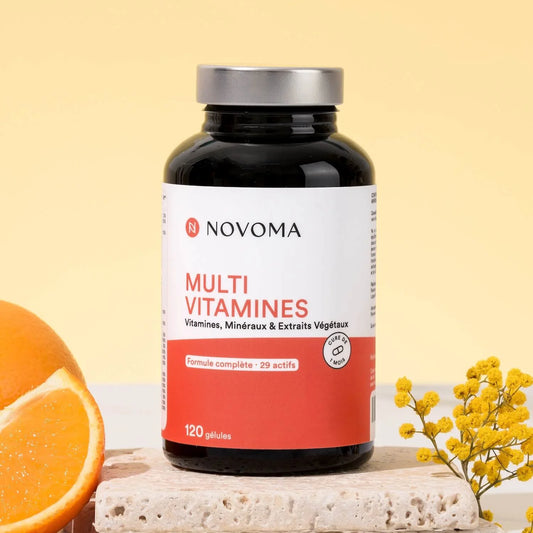
✓ Multivitamins help supplement micronutrient intake when training becomes more frequent, longer, or more intense.
Impact sports (football, rugby, tennis, combat sports)
Football, rugby, basketball, tennis, combat sports, contact sports or sports with frequent changes of direction: these disciplines expose the body to repeated shocks, sudden movements, and multiple rotations, which heavily stress joints, tendons, and muscles. They therefore increase the need for fast energy, muscle recovery, and joint protection.
The most relevant supplements for these disciplines are the Joint Formula, Turmeric, Marine Collagen, Magnesium Bisglycinate, and Opti MSM:
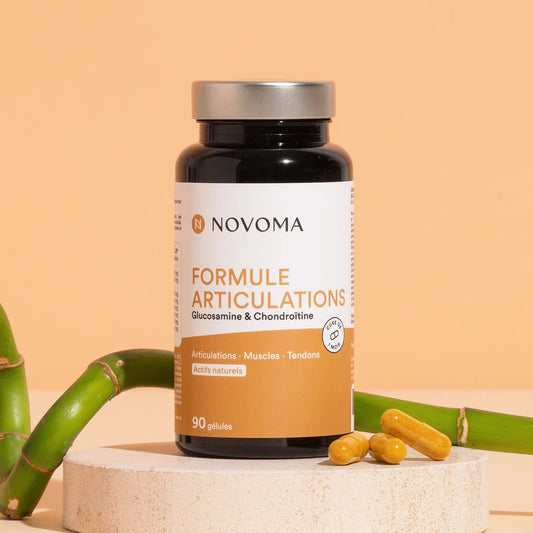
✓ Joint Formula combines targeted active ingredients to support daily joint comfort, where repeated shocks and stresses put the most strain on the body.
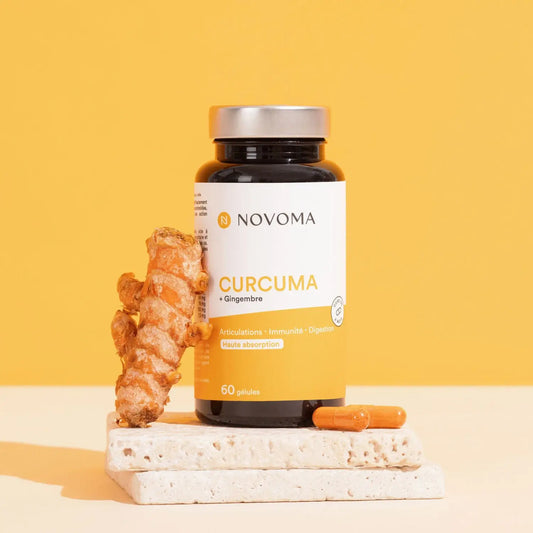
✓ Turmeric, standardized in curcuminoids, provides an antioxidant action during sustained training phases.
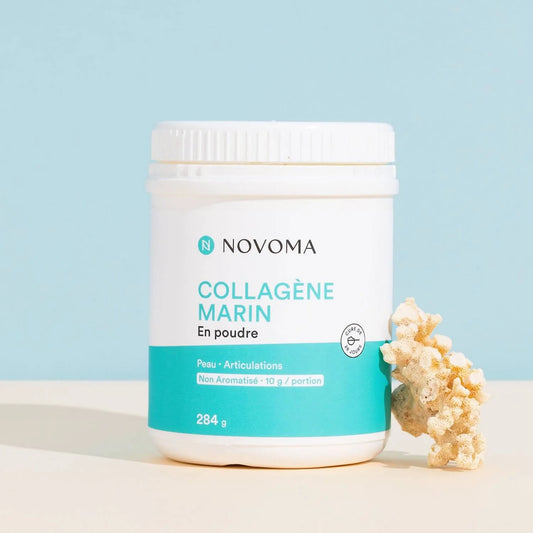
✓ Marine Collagen supplements collagen intake, naturally present in tendons, ligaments, and cartilage, tissues particularly stressed in these disciplines.
✓ Magnesium Bisglycinate helps support muscle function and energy metabolism.
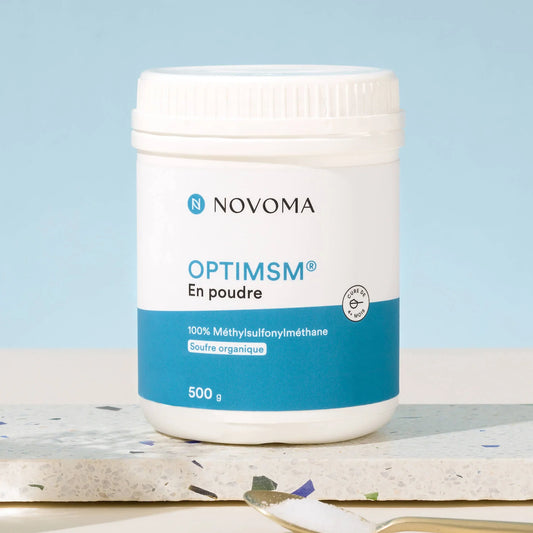
✓ OptiMSM® MSM provides organic sulfur, a compound naturally present in connective tissues such as tendons and cartilage.
Vegan athletes
Athletes who do not consume animal products have specific nutritional needs:
- Plant proteins are sometimes less rich in essential amino acids;
- Vitamin B12 is absent from plants;
- Zinc and long-chain omega 3s (EPA and DHA) are often more difficult to cover through diet alone;
- Non-heme iron, which is predominant in plant-based diets, is less well absorbed by the body.
The most relevant supplements for this profile are Organic Spirulina, Vitamin B12, Ferrochel® Iron Bisglycinate, and Zinc Bisglycinate:
✓ Organic Spirulina provides plant proteins and iron.
✓ Our Vitamin B12 uses methylcobalamin, the bioactive form of the vitamin, for better assimilation.
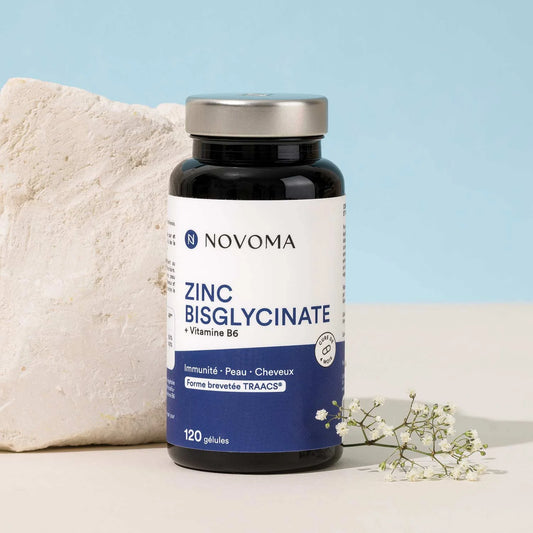
✓ Ferrochel® Iron Bisglycinate and Zinc Bisglycinate provide these minerals in a highly assimilated form.
Whenever possible and relevant, we offer natural sports supplements derived from plant or mineral sources.
Female athletes
Female athletes have specific nutritional needs, often underestimated. Menstrual losses increase iron requirements. Loss of bone density and certain muscular discomforts are more frequent, especially when training is regular or intense. Finally, pregnancy brings new nutritional needs.
The most relevant supplements for this profile are Ferrochel® Iron Bisglycinate, Magnesium Bisglycinate, Vitamin D3, and Folic Acid:
✓ Ferrochel® Iron Bisglycinate helps cover additional iron needs.
✓ Magnesium Bisglycinate helps reduce fatigue and contributes to normal muscle function.
✓ Vitamin D3 contributes to the maintenance of normal bones and normal muscle function.
✓ Folic Acid contributes to the growth of maternal tissues during pregnancy.
How to choose quality sports supplements?
To choose quality sports supplements, pay attention to the effectiveness of the forms used, the traceability of ingredients, and the demanding level of formulation.
Patented forms, such as Creapure® for creatine, Ferrochel® for iron, or Epax® for omega 3, are reliable benchmarks. French manufacturing, the absence of unnecessary additives, and the availability of analysis certificates are also indicators of seriousness.
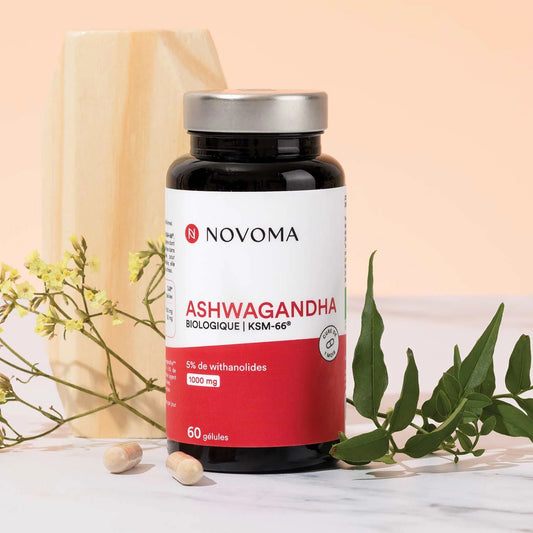
For a natural sports supplement, prioritize active ingredients of natural origin, such as turmeric. Certified organic labels (organic spirulina, organic KSM-66® ashwagandha) guarantee the absence of pesticide residues.
At Novoma, each formula meets this quality requirement. Find out more about our commitments and formulation choices.
Precautions for athletes
Sports supplements do not replace a balanced and sufficient diet, nor structured and progressive training. Increasing quantities does not improve results and can unnecessarily stress the body: therefore, respect the indicated dosages.
Remember also that needs vary according to the frequency, intensity of training, and individual profile. A sports dietitian can help you build a supplementation tailored to your needs.
If you are currently undergoing medical treatment, consult your doctor or pharmacist before starting supplementation.
Scientific References
- Wang Z. et al. (2024). Effects of Creatine Supplementation and Resistance Training on Muscle Strength Gains in Adults < 50 Years of Age : A Systematic Review and Meta-Analysis. Nutrients. https://pubmed.ncbi.nlm.nih.gov/39519498/
- Wax B. et al. (2021). Creatine for Exercise and Sports Performance, with Recovery Considerations for Healthy Populations. Nutrients. https://pmc.ncbi.nlm.nih.gov/articles/PMC8228369/
- Fernández-Lázaro D. et al. (2024). Omega-3 Fatty Acid Supplementation on Post-Exercise Inflammation, Muscle Damage, Oxidative Response, and Sports Performance in Physically Healthy Adults : A Systematic Review of Randomized Controlled Trials. Nutrients. https://pmc.ncbi.nlm.nih.gov/articles/PMC11243702/
Sport Supplements - Frequently Asked Questions
Which food supplements are most useful for athletes?
Can you take multiple sports supplements at the same time?
What supplements should an elite athlete take?
Are there natural dietary supplements for sports?
Are there any risks associated with dietary supplements for athletes?
When to take your supplements around your workout?
Les articles les plus lus



Si vous ne trouvez pas les informations que vous cherchez, n’hésitez pas à consulter notre FAQ ou à nous écrire sur le chat 24/24. Vous pouvez aussi nous contacter :


