How to take whey protein daily? Recipes, tips, and mistakes to avoid
 Camille VALLOIS
Published on
12 min
Camille VALLOIS
Published on
12 min
Summary
Long reserved for athletes, whey protein is now a practical dietary supplement for anyone looking to increase their protein intake. Easy to consume, it fits into your eating routine, in a smoothie, at breakfast, or even in certain savory recipes. To fully benefit from its benefits, it's essential to know when and how to take whey protein . In this article, discover practical advice, recipe ideas, and the best ways to incorporate whey protein into your routine according to your needs.
Why include whey in your diet?
Whey is a whey protein found in milk and some cheese-making processes. Much more than just a supplement for athletes, it's easily incorporated into your daily diet thanks to its high protein content and richness in essential amino acids.
Whey has real benefits for the body:
💪 It contributes to the maintenance and development of muscle mass , which makes it a valuable ally for athletes, but also for a wider public.
⚡ It contributes to normal energy metabolism , a key point in supporting the overall balance of the body.
But whey protein has another significant advantage: its satiating effect. This means it can help you reduce cravings and support a balanced diet without frustration . This aspect is particularly useful for people who want to control their weight while maintaining a good nutritional intake.
Contrary to popular belief, whey protein isn't just for bodybuilders. It's also suitable for other types of people, such as vegetarians, seniors, and those looking to rebalance their diet.
Taking whey has never been easier ; it's easy to digest and versatile. It's a supplement that's accessible to everyone, provided you choose the right product and adapt it to your personal goals in terms of nutrition, lifestyle, and wellness.
🍽️To take care of yourself, it is therefore entirely possible to consume whey in order to adapt your protein intake according to your needs.
We recommend you

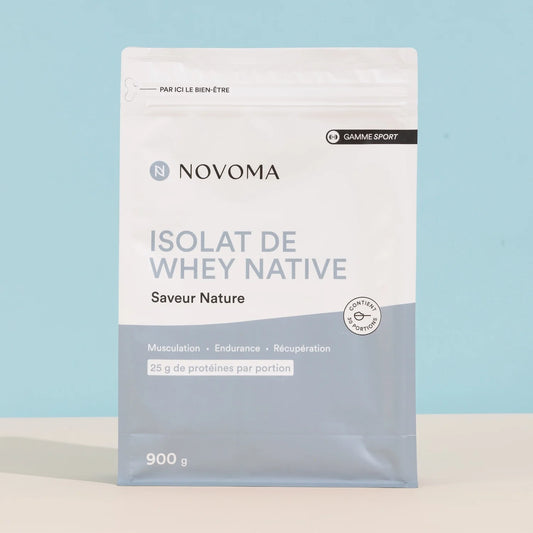
Native Whey Isolate
Formula enriched with digestive enzymes for easier digestion.
- ✅ Undenatured native protein
- ✅ Milk from French pasture cows
- ✅ High in protein and BCAAs
- ✅ Compliant with anti-doping standards
When to take whey depending on your goal?
Whey is a rapidly absorbable protein, ideal for meeting the body's specific needs depending on the time of day and the goals you are aiming for . Each time you take it can influence its effects and should be adapted to your needs, so it is important to understand how to take whey .
With whey, everyone has their own pace, whether it's recovery after training, gaining mass or even losing weight. 💪
🔁 After training
The most strategic time to consume whey is immediately after training. 🏋️ This is when muscle fibers are under stress and the body needs protein to trigger recovery and stimulate protein synthesis. Whey, which is quickly absorbed by the body , effectively nourishes muscles with essential amino acids .
🌅 At breakfast
It can also be included in breakfast 🥣, especially in a smoothie, porridge, or mixed with yogurt. This allows you to start the day with a good protein intake.
🍴During meals
Whey can be added to a dish to boost protein intake (soup, sauce, etc.). It's a useful addition if the meal is usually low in protein, such as for vegetarians, for example.
⏱ As a snack (morning or afternoon)
Taking whey protein as a snack is very simple to calm hunger pangs and prevent snacking. A serving with your snack helps keep you satisfied, prevents binges, and supports muscle mass between meals.
🌙 Before bedtime
Taking whey before bed is not recommended , as it digests too quickly and will not be useful, mainly because you do not exercise at night. In this case, casein will be more suitable, as its slower digestion allows for a gradual release of amino acids, ideal for nourishing and preserving muscles throughout the night. It can be taken in addition to whey, depending on your nutritional needs to promote optimal anabolism.
🎯 Adapt according to your objective
Whey consumption times can vary depending on your personal needs. Whether you are in a mass gaining, cutting or muscle maintenance phase, it adapts according to your athletic profile, your age and your specific diet, the important thing is to understand how to take whey .

How much whey should I consume per day?
Whey consumption should be tailored to your needs, lifestyle, and overall diet. When used in moderation and integrated into your daily routine, you can reap all the benefits without overdoing it.
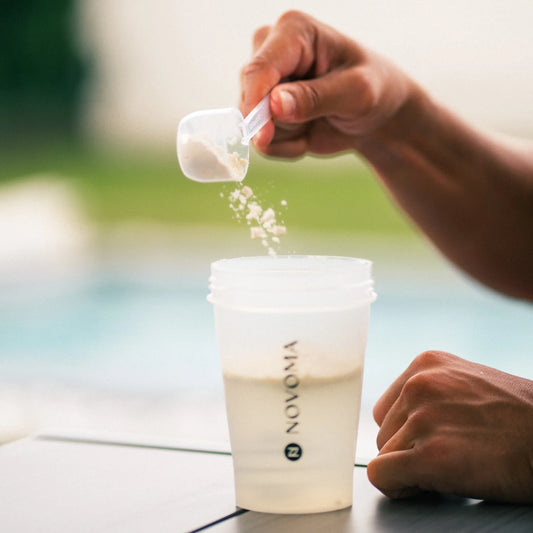
Typically, a whey protein dose is between 20 and 30g per serving, or about one to two scoops. This amount provides between 15 and 25g of protein, which is enough to support muscle recovery and muscle building or maintenance processes 💪.
How to take whey is not universal , it must be modulated according to several criteria:
Body weight: A 60 kg person will not have the same needs as a 90 kg person. On average, an active adult can aim for an overall daily intake of 1.2 to 2 g of protein per kilo of body weight, taking into account all sources (food + supplements).
The intensity and frequency of physical activity : a regular athlete or a person who needs food supplements for mass gain will have higher intakes than an occasional practitioner or a person during a rest period.
-
Proteins already present in your diet: eggs, meat, fish, legumes, dairy products... Whey is a supplement, it does not replace a balanced diet 🥦🍗. It can be useful in achieving your goals, but should not be your only source of protein.
How to consume whey? Recipes and practical advice
So, how do you take whey with all its variations available on the nutrition market? Choose a whey isolate that will be rich in protein and low in lactose with more amino acids like BCAAs. There are neutral whey that adapt to all recipes or flavored whey like our Native Whey Isolate Powder available in vanilla or chocolate flavors. To take whey properly, let your imagination run wild and choose the right times of day to consume the whey adapted to your needs.
We offer whey protein recipes tailored to each meal. Let our high-protein recipes, made with whey protein and low-calorie ingredients, guide you.
🥤The shaker is a great classic
It can be made with water, plant-based milk, or animal milk. Here are some seasonal smoothie ideas to ensure you're consuming fresh, seasonal fruits and vegetables.
Special whey summer smoothies ☀️
Watermelon - lime 🍉: ultra fresh and refreshing
150 g of watermelon
Juice of 1/2 lime
30 g of neutral whey
150 ml of very cold water
Ice
Red fruits - almond milk 🍓: simple and fruity
100g fresh strawberries or other berries
200 ml of almond milk
25g of neutral whey
Melon - mint🍈: naturally sweet and minty
200 g of Charentais melon
200 ml of water or vegetable milk
30 g of neutral whey
4 to 5 fresh mint leaves
lime juice (optional)
Special whey winter smoothies ❄️
Banana-cocoa 🍌: creamy and comforting
30 g of chocolate whey
1 banana
20 g of oat flakes
1 tbsp unsweetened cocoa
200 ml of hot milk (almond or cow)
Apple-cinnamon 🍎: apple pie flavor
-
25 g of vanilla whey
1 stewed or cooked apple
1/2 tsp cinnamon
150 ml of hot vegetable milk
Carrot - ginger 🥕: stock up on vitamins
100 g cooked or fresh carrots
100 ml fresh orange juice
25 to 30 g of neutral whey
1 small piece of fresh ginger
1 tsp honey or maple syrup (optional)

🧁Sweet recipes with whey
Whey can also be incorporated into several sweet recipes, here's how to take whey for breakfast and as a snack :
- Protein pancakes: Add 30g of whey to a mixture of one egg, 40g of oatmeal, and a little milk. Pan-fry for a satisfying breakfast.
- Morning porridge: once the flakes are cooked, add 20 to 25 g of whey off the heat so as not to alter the texture.
- Express Bowlcake: Mix together a mashed banana, 30g of oat flakes, an egg, 20g of whey, a tablespoon of applesauce, and chocolate chips for those with a sweet tooth. Microwave for about 1 minute 30 seconds.
🧂 Savory recipes with neutral whey
Whey-enriched soup: Add 15 to 20 g of neutral whey to warm (not boiling) soup just before serving. Ideal in vegetable soups: zucchini, pumpkin, carrot, or sweet potato. Avoid very hot soups to prevent the whey from curdling.
Protein omelet: Beat 2 eggs with 15 to 20 g of neutral whey and a little water or milk. Season with salt and pepper, and add herbs or vegetables. Cook over low heat to maintain a soft texture.
Whey-enriched meals: Mix 20g of neutral whey into a vegetable purée, a light sauce, or a warmed stew. This technique works well in meals that contain carbohydrates (potatoes, rice, pasta) and fats (olive oil, eggs, cheese) for a well-balanced diet.
👉 Adding whey to a meal promotes protein assimilation thanks to the food synergy effect.
Should I take breaks from taking whey?
There is no medical or regulatory requirement to take breaks from whey consumption. This supplement is safe when used wisely and appropriately to your needs. However, certain situations may warrant a temporary discontinuation. For example, if your physical activity decreases or if your diet becomes richer in natural protein.
But also in case of digestive saturation , if you experience bloating, discomfort or transit disorders which signal an excess of proteins. In this case, taking a course of Probiotic and/or Detox Formula will help you rebalance the intestinal flora before gradually resuming whey.
An essential criterion for knowing how to take whey is based on the variation of protein sources through diet: legumes, eggs, meat, fish, etc.
Listen carefully to your body and adjust your whey consumption according to your lifestyle, which can vary over time.
Which form of whey should I choose?
There are several forms of whey, the choice depends on your needs and your digestive sensitivity.
-
Whey concentrate is the most common form . It contains about 70 to 80% protein, with some lactose and fat. It is suitable for people without dairy intolerance and remains the most economical.
Whey isolate is a more filtered form , it has a protein concentration of over 90% and contains very little lactose, which makes it more digestible.
Native whey is cold extracted directly from milk , not cheese. It better preserves essential amino acids like BCAAs and is not denatured by the manufacturing process in powder form.
Novoma Native Whey Isolate combines the benefits of whey isolate and native whey to offer you a product that is pure, more digestible, and effective. It is made from undenatured milk and cold-pressed, which helps preserve essential amino acids and the natural structure of proteins.
With no additives or added sugars, it is part of a healthy and transparent nutrition approach . It is an ideal choice for anyone concerned about their well-being who wants to understand how to take whey.
We recommend you
Native Whey Isolate
Formula enriched with digestive enzymes for easier digestion.
- ✅ Undenatured native protein
- ✅ Milk from French pasture cows
- ✅ High in protein and BCAAs
- ✅ Compliant with anti-doping standards
Who can take whey?
🏋️ Whey is known in the field of sports nutrition , whatever the level of the athlete, it helps support muscle recovery and improve performance.
👵 Seniors can also take whey , especially in cases of age-related muscle loss. It helps strengthen muscle and bone structure in combination with collagen .
🌿 Active people with a low-protein diet can use it to supplement their intake quickly and easily. It is therefore suitable for vegetarians (excluding vegans), as a protein source.
⚖️ Finally, whey is useful for weight loss or dietary rebalancing , because it helps preserve muscle mass while providing a satiating effect.
On the other hand, it should be avoided in case of milk allergy, particularly lactose or casein, unless you opt for suitable alternatives (such as isolate or vegetable proteins).
Whey protein is a useful ally to support your nutritional and fitness goals, provided you integrate it intelligently into your routine. The important thing is to adapt your consumption according to your own needs; knowing how to take whey protein can vary from one person to another.